
Yes, many 5.3L Vortec V8 engines are part of the broader GM LS-based engine family, including the popular LM7 and L59 truck engines. However, not every GM 5.3L V8 belongs to the same generation or uses identical architecture. The engine code matters more than the Vortec badge alone. Is a 5.3 an LS?
This distinction is important if you are buying a replacement engine, planning an LS swap, or comparing a truck engine with a performance-oriented LS motor. Two engines can share a 5.3L displacement and still differ in block material, fuel system, electronics, cylinder-head design, and compatibility.
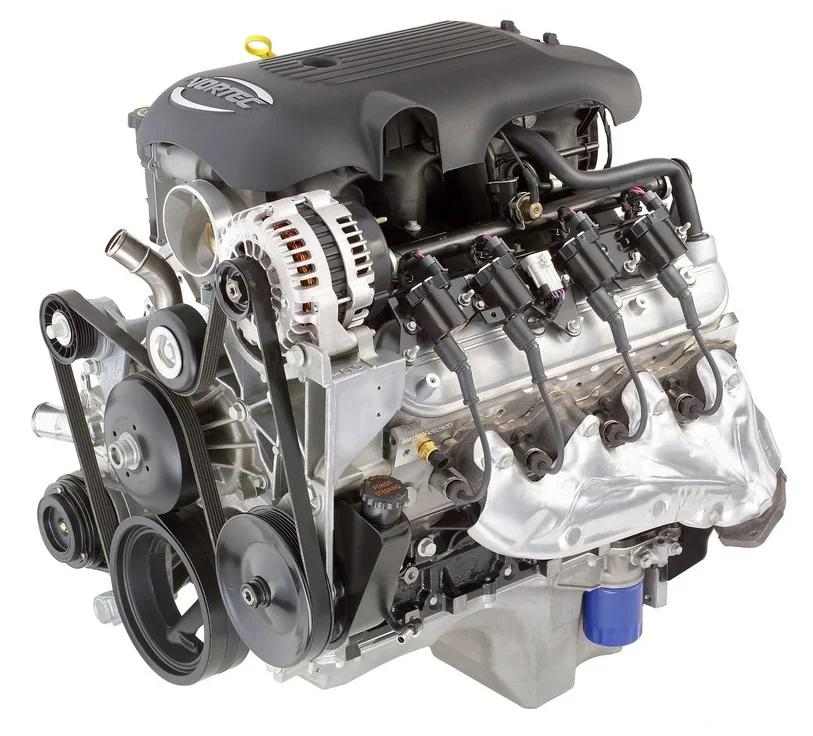
What Is a 5.3 Vortec Engine?
The 5.3L Vortec 5300 is a family of GM V8 truck engines used in various Chevrolet and GMC trucks, SUVs, and other applications.
Earlier versions include the LM7, L59, LM4, and L33. Later versions include the LY5, LMG, and LC9. Newer 5.3L engines include the L83, L82, and L84, which belong to GM’s Gen V EcoTec3 family.
These engines share the same general purpose of providing V8 power for trucks and SUVs, but they are not all identical.
For example, the LM7 is a Gen III, iron-block 5.3L V8. The LM4 and L33 are examples of Gen III 5.3L engines with aluminum blocks. The later L83 and L84 use a different engine generation with direct fuel injection and additional engine-management technology.
If you are researching a 5.3L Vortec for a swap, identifying the engine’s RPO code is the best place to start.
Is a 5.3 Vortec the Same as an LS Engine?
The answer depends on which 5.3L engine you have.
GM’s LS family became associated with the Gen III and Gen IV small-block V8 architecture. Many Vortec truck engines use this same LS-based architecture, even though their engine codes do not begin with “LS.”
The term LS-based is therefore often more useful than assuming every Vortec engine is identical to an LS1 or LS3.
Here are some common examples:
| Engine code | Displacement | General classification | Block material |
|---|---|---|---|
| LM7 | 5.3L | Gen III LS-based truck V8 | Iron |
| L59 | 5.3L | Gen III LS-based flex-fuel truck V8 | Iron |
| LM4 | 5.3L | Gen III LS-based truck V8 | Aluminum |
| L33 | 5.3L | Gen III LS-based truck V8 | Aluminum |
| LY5 | 5.3L | Gen IV LS-based truck V8 | Iron |
| LC9 | 5.3L | Gen IV LS-based truck V8 | Aluminum |
| L83 | 5.3L | Gen V EcoTec3 truck V8 | Aluminum |
| L84 | 5.3L | Gen V EcoTec3 truck V8 | Aluminum |
This is a selection of common engine codes, not a complete list of every 5.3L GM engine.
The table also illustrates why the phrase “5.3 Vortec” is not enough to establish compatibility. Different generations can require different wiring, engine controls, fuel-system components, and swap parts.
What Is the Difference Between a 5.3 Vortec and an LS1?
The LM7 5.3L Vortec and LS1 are both Gen III GM small-block V8s, but they were designed for different factory applications.
The LM7 was used in trucks and SUVs. The LS1 was introduced in the Chevrolet Corvette and later appeared in other GM performance cars.
Key differences include:
- Displacement: The LM7 is 5.3L, while the LS1 is 5.7L.
- Original application: The LM7 was designed for truck and SUV use; the LS1 was associated with performance-car applications.
- Block material: The LM7 uses an iron block, while the production LS1 uses an aluminum block.
- Engine configuration: Their original intake, accessory, oil-pan, and calibration arrangements can differ.
- Swap requirements: Mounts, wiring, fuel delivery, exhaust, and transmission components must be evaluated for the specific vehicle.
Neither engine is automatically the better choice for every build. A truck-based 5.3L may suit a budget-conscious project, while an LS1 may appeal to someone seeking a particular performance-car engine. Condition, cost, intended use, and required modifications all matter.
Is a 5.3 Vortec Good for an LS Swap?
A suitable 5.3L Vortec can be a practical LS-swap option. Many builders consider truck-based engines because they are available in several configurations and have a well-established aftermarket.
However, the exact engine code should guide the decision.
Advantages of a suitable 5.3L truck engine
- A V8 platform with a broad history of GM truck and SUV applications.
- Several engine variants to compare based on price and configuration.
- Aftermarket support for many common Gen III and Gen IV versions.
- A range of original equipment and performance-part options.
What to check before buying
A 5.3L engine is not automatically a drop-in replacement for every vehicle. Check the following before committing to a purchase:
- Engine code and generation: Confirm whether the engine is an LM7, L59, LC9, L83, or another variant.
- Block material: Identify whether it uses an iron or aluminum block.
- Fuel system: Earlier port-injected engines differ from newer direct-injection designs.
- Electronics: Confirm the ECU, wiring harness, sensors, throttle system, and calibration requirements.
- Transmission compatibility: Verify the bellhousing, flexplate or flywheel, converter or clutch, and control requirements.
- Physical fitment: Check oil-pan clearance, engine mounts, accessories, steering, and exhaust routing.
- Condition and included components: Review mileage, testing, known issues, and package contents.
If you are building a street car or classic truck, budget for the complete installation rather than the engine alone.
What Is the Difference Between Gen III, Gen IV, and Gen V 5.3L Engines?
The generation is one of the most important details when identifying a 5.3L engine.
Gen III: LM7, L59, LM4, and L33
These early LS-based truck engines use a traditional pushrod V8 design with port fuel injection. They differ in block material, fuel capability, and other details.
The LM7 is a common iron-block example. The LM4 and L33 are examples of aluminum-block variants.
Gen IV: LY5, LMG, and LC9
Gen IV 5.3L engines retain the general LS-based pushrod architecture but introduce additional changes across the range. Depending on the exact engine, these can include Active Fuel Management, variable valve timing, and different electronics.
Not every Gen IV engine has the same features, so verify the RPO code and original application.
Gen V: L83, L82, and L84
The Gen V EcoTec3 family represents a more substantial change. These engines use direct fuel injection and newer engine-management systems, with additional differences in internal design and control systems.
Although they share the 5.3L displacement with earlier Vortec engines, Gen V versions should not be treated as direct replacements for Gen III or Gen IV engines without checking the entire installation requirements.
How Much Horsepower Does a 5.3 Vortec Have?
There is no single horsepower rating for every 5.3L Vortec.
Output depends on the engine code, model year, original vehicle, and factory calibration. Older LM7 applications had different ratings from later Gen IV and Gen V engines.
For an accurate comparison, use the manufacturer’s specifications for the exact engine and application. Do not rely on a generic “5.3 horsepower” figure to compare every version.
Modified engines may also produce different output depending on the camshaft, cylinder heads, intake, exhaust, fuel delivery, and tuning. Advertised build numbers should be distinguished from verified dyno results.
For a replacement or swap, horsepower is only one consideration. Torque characteristics, engine condition, transmission compatibility, and the vehicle’s intended use can be just as important.
How Do You Identify Your 5.3 Vortec Engine?
If you are unsure whether your engine is LS-based, start by identifying its RPO code.
- Check the vehicle’s original documentation and identification information.
- Locate the engine identification markings where applicable.
- Confirm the original vehicle, model year, and engine option.
- Compare the code with reliable specifications for that generation.
- Verify the actual components if the engine has been modified or assembled from different parts.
Do not identify an engine by its intake cover, displacement, or Vortec badge alone. Those details may help narrow down the possibilities, but they do not establish the complete configuration.
This is especially important when buying a used engine. A previous owner may have changed the intake, cylinder heads, accessories, or other components.
Should You Buy a 5.3 Vortec or Another LS Engine?
The right engine depends on the vehicle, budget, performance goals, and installation requirements.
A 5.3L truck engine may be suitable for a project where cost and availability are priorities. A 6.0L LQ4 or LQ9 offers a different displacement and factory configuration. A performance-oriented engine such as the LS3 may be more appropriate for a build centered on a specific factory performance platform.
Before comparing prices, consider:
- The exact engine code and generation.
- The engine’s condition and documented testing.
- Required ECU, wiring, fuel-system, and accessory components.
- Transmission and chassis compatibility.
- Your target power level and intended vehicle use.
- The total cost of installation, supporting parts, and tuning.
When shopping for a replacement or swap engine, compare complete specifications and included components. Two engines with the same displacement can have significantly different requirements.
Frequently Asked Questions
Is a 5.3 Vortec an LS engine?
Many 5.3L Vortec engines, including the LM7 and L59, are LS-based Gen III truck V8s. Later 5.3L engines belong to different generations, so the exact engine code matters.
Is the LM7 an LS engine?
The LM7 is a Gen III 5.3L LS-based truck V8 with an iron block. It was used in various GM trucks and SUVs.
Is a 5.3 Vortec better than an LS1?
Neither is universally better. The LM7 is a 5.3L truck engine, while the LS1 is a 5.7L performance-car engine. The best option depends on price, condition, vehicle compatibility, and build goals.
Are all 5.3L engines interchangeable?
No. Different 5.3L engines can have different generations, block materials, fuel systems, electronics, cylinder heads, and accessory arrangements. Confirm the engine code and required supporting parts before buying.
Can a 5.3 Vortec be used in a classic Chevy truck?
A suitable 5.3L Vortec can be used in a classic truck swap, but installation requirements depend on the truck and engine combination. Mounts, oil-pan clearance, transmission, wiring, fuel delivery, cooling, and exhaust must all be considered.
Final Takeaway
Many 5.3L Vortec engines are part of the broader LS-based GM V8 family, but the Vortec name covers multiple engine generations and configurations.
If you are choosing a 5.3L for a replacement or swap, identify the exact RPO code first. Then confirm the engine’s block material, fuel system, electronics, condition, and fitment requirements. Those details will help you choose an engine that suits the project instead of relying on the 5.3L or Vortec name alone.